
Flour Export Logistics Management: Managing Bulk Flour Export Efficiently
- WILLIAM A
- Apr 6
- 4 min read

Exporting bulk flour is a complex process that requires careful planning and execution. From sourcing the right quality flour to ensuring it reaches international buyers safely and on time, every step matters. I want to share insights on how to manage bulk flour export efficiently, drawing from practical experience and industry best practices. Whether you are new to this or looking to refine your process, this guide will help you navigate the challenges and optimize your operations.
Understanding Flour Export Logistics Management (Bulk flour export)
Flour export logistics management is the backbone of successful international trade in FMCG products like flour. It involves coordinating multiple activities such as procurement, storage, packaging, transportation, customs clearance, and delivery. Each stage must be handled with precision to maintain product quality and meet delivery deadlines.
One key aspect is supply chain transparency. Knowing where your flour is at every point helps prevent delays and losses. Using technology like tracking systems and digital documentation can streamline communication between suppliers, freight forwarders, and buyers.
Another important factor is compliance with international regulations. Different countries have varying standards for food safety, packaging, and labeling. Staying updated on these rules avoids costly customs issues and rejections.
To illustrate, I once worked with a client exporting flour to multiple countries. By implementing a centralized logistics platform, they reduced shipment delays by 30% and improved customer satisfaction significantly.
How is Flour Transported in Bulk?
Transporting flour in bulk requires specialized equipment and careful handling to preserve its quality. Flour is a fine powder that can easily absorb moisture or contaminants, so packaging and transport conditions are critical.
Typically, flour is transported in:
Bulk containers: Large containers designed to hold flour in bulk form, often lined with food-grade materials.
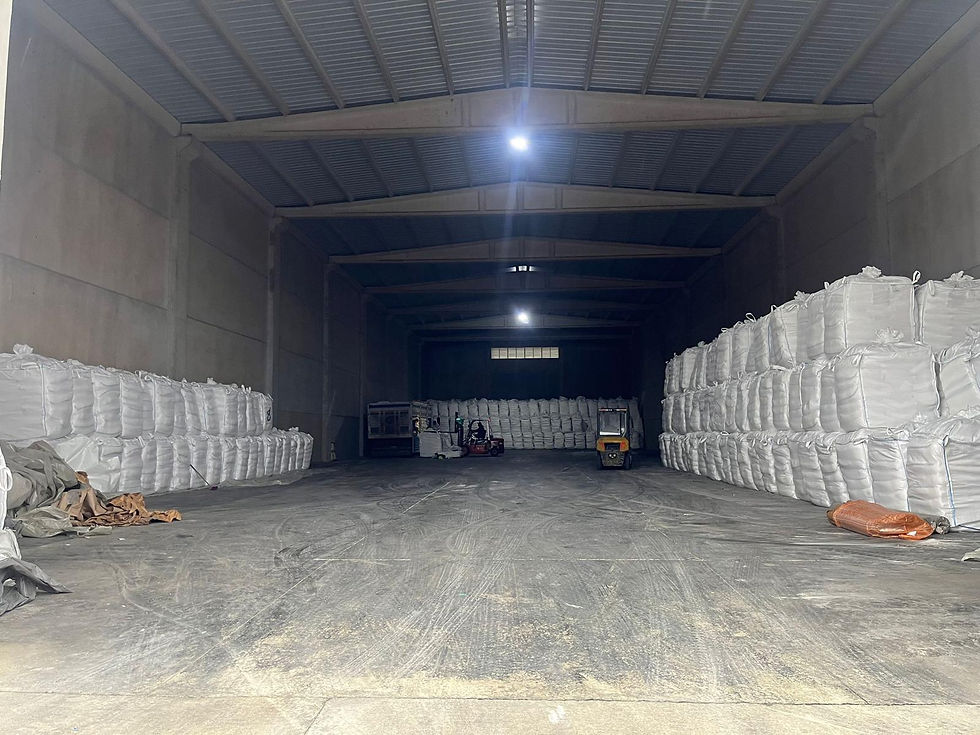
Bulk bags (FIBCs): Flexible Intermediate Bulk Containers that can hold up to 2,000 pounds of flour.
Tankers: For some types of flour, pneumatic tankers are used to transport powder in a sealed environment.
During transport, maintaining a dry, cool environment is essential. Exposure to humidity can cause clumping or spoilage. Additionally, the containers must be sealed tightly to prevent contamination from dust, pests, or odors.
For example, when shipping flour overseas, I recommend using containers with moisture-absorbing packets and ensuring the vessel’s cargo hold is clean and dry. This reduces the risk of product damage during long transit times.
Packaging plays a vital role in protecting flour during export. The right packaging not only preserves quality but also facilitates handling and storage.
Here are some packaging tips I follow:
Use food-grade, moisture-resistant materials to prevent contamination.
Opt for multi-layered bags that provide extra protection against tearing and moisture.
Clearly label each package with product details, batch numbers, and handling instructions.
Consider custom packaging sizes based on buyer requirements to optimize shipping space.
Quality control is equally important. Before shipment, conduct thorough inspections to check for:
Moisture content within acceptable limits.
Absence of foreign particles or pests.
Consistency in flour texture and color.
Implementing a robust quality control system helps build trust with international buyers and reduces the risk of returns or disputes.
Navigating Customs and Documentation
Customs clearance can be a major hurdle in bulk flour export if not managed properly. Each country has specific documentation requirements and import regulations.
To avoid delays, I recommend:
Preparing all necessary documents in advance, including:
Commercial invoice
Packing list
Certificate of origin
Phytosanitary certificate (if required)
Quality certificates
Working with experienced customs brokers who understand the destination country’s rules.
Ensuring compliance with import tariffs and taxes to avoid unexpected costs.
Keeping communication open with buyers to provide updates on shipment status and documentation.
By staying organized and proactive, you can smooth the customs process and ensure timely delivery.
Optimizing Supply Chain for Reliable Delivery
A reliable supply chain is crucial for meeting international buyers’ expectations. Here are some strategies I use to optimize supply chain efficiency:
Forecast demand accurately to avoid overstocking or stockouts.
Build strong relationships with trusted suppliers and logistics partners.
Use technology for real-time tracking and inventory management.
Plan shipments well in advance to accommodate transit times and potential delays.
Have contingency plans for disruptions like weather or port congestion.
By focusing on these areas, you can create a resilient supply chain that supports consistent, on-time flour deliveries.
Building Long-Term Partnerships Through Transparency
Trust is the foundation of successful international trade. I believe transparency in bulk flour export management fosters long-term partnerships.
Sharing information openly about sourcing, quality control, and shipment status helps buyers feel confident in your reliability. Regular communication and responsiveness to concerns also strengthen relationships.
At Bahjiri Trading, the goal is to make international sourcing easier and more transparent for clients worldwide. By ensuring reliable supply chains and fostering dependable partnerships, we help businesses grow and succeed in the global market.
Managing bulk flour export efficiently is a multifaceted challenge, but with the right approach, it becomes a smooth and rewarding process. From logistics management to packaging, customs, and supply chain optimization, every detail counts. I hope these insights help you streamline your operations and build lasting international partnerships.


Comments